

Our Programs
EDUCATION
Teaching the “why” behind going plant-based
We don't want fellow Ugandans to go plant-based just because we told them to. We want them to understand the foundational premise, the "why" behind it. Otherwise we'll create change that simply doesn't last.
We educate Ugandans on key aspects of going plant-based, including how the diet:

Improves their health
Protects their – and our – environment
Saves animal lives

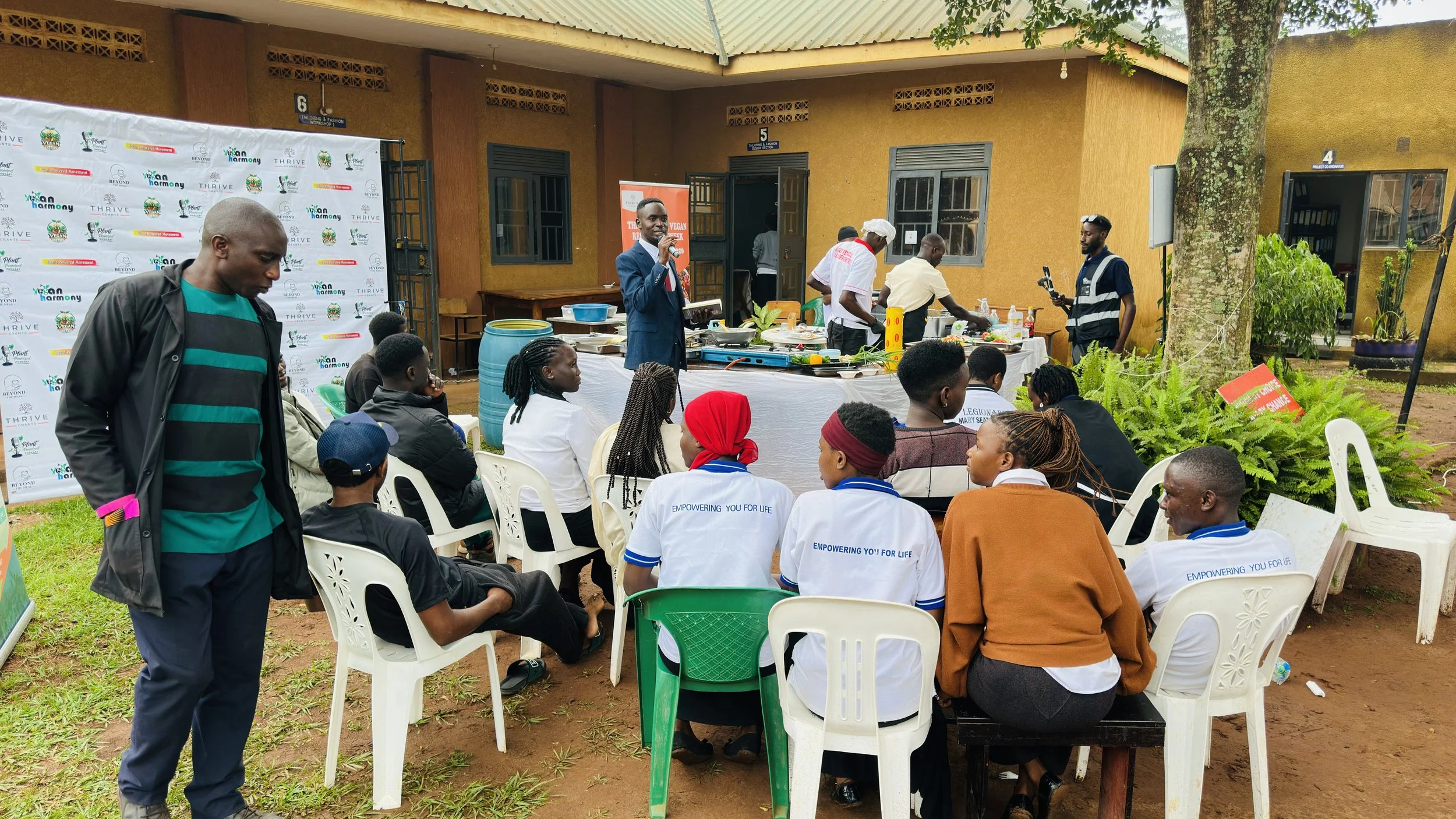
We run workshops, cooking demos, and school talks, and we share digital resources to strengthen Ugandan knowledge on plant-based diets and support them in making the change.
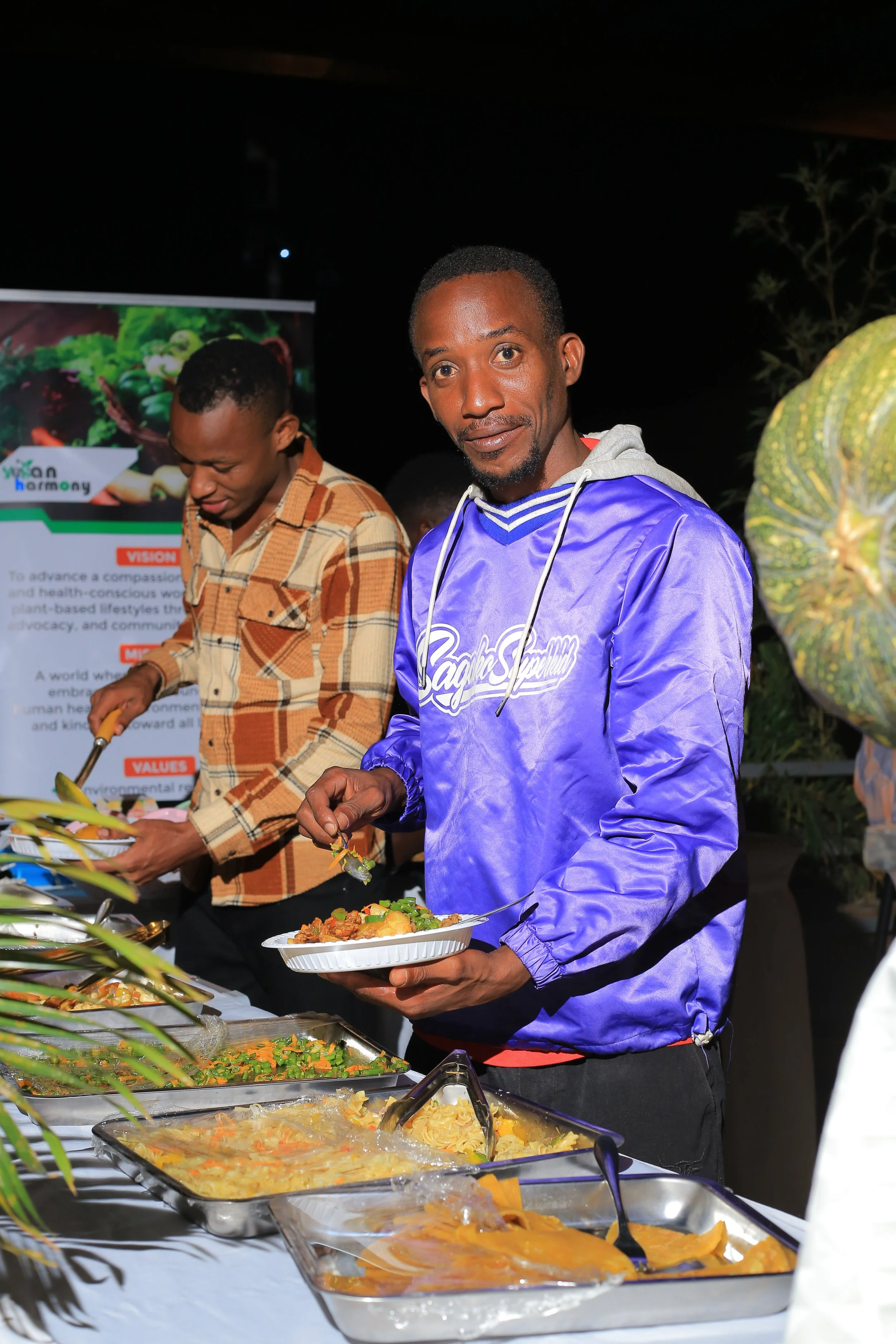
Providing a meal or sharing a statistic might change a few minds. But showing people how plant-based diets change lives at the individual, the community, and even the global level creates change on a larger scale – it creates change that sticks. And with this foundational knowledge, we can then guide Ugandans towards the practical skills that support the change.
Combating water scarcity
Conversations about sustainability can often lean into land use or emissions. But water scarcity is an equally urgent crisis, and animal farming plays a major role in it. We teach Ugandans how their diets contribute to water scarcity, an issue that's already a serious concern in Ugandan communities.
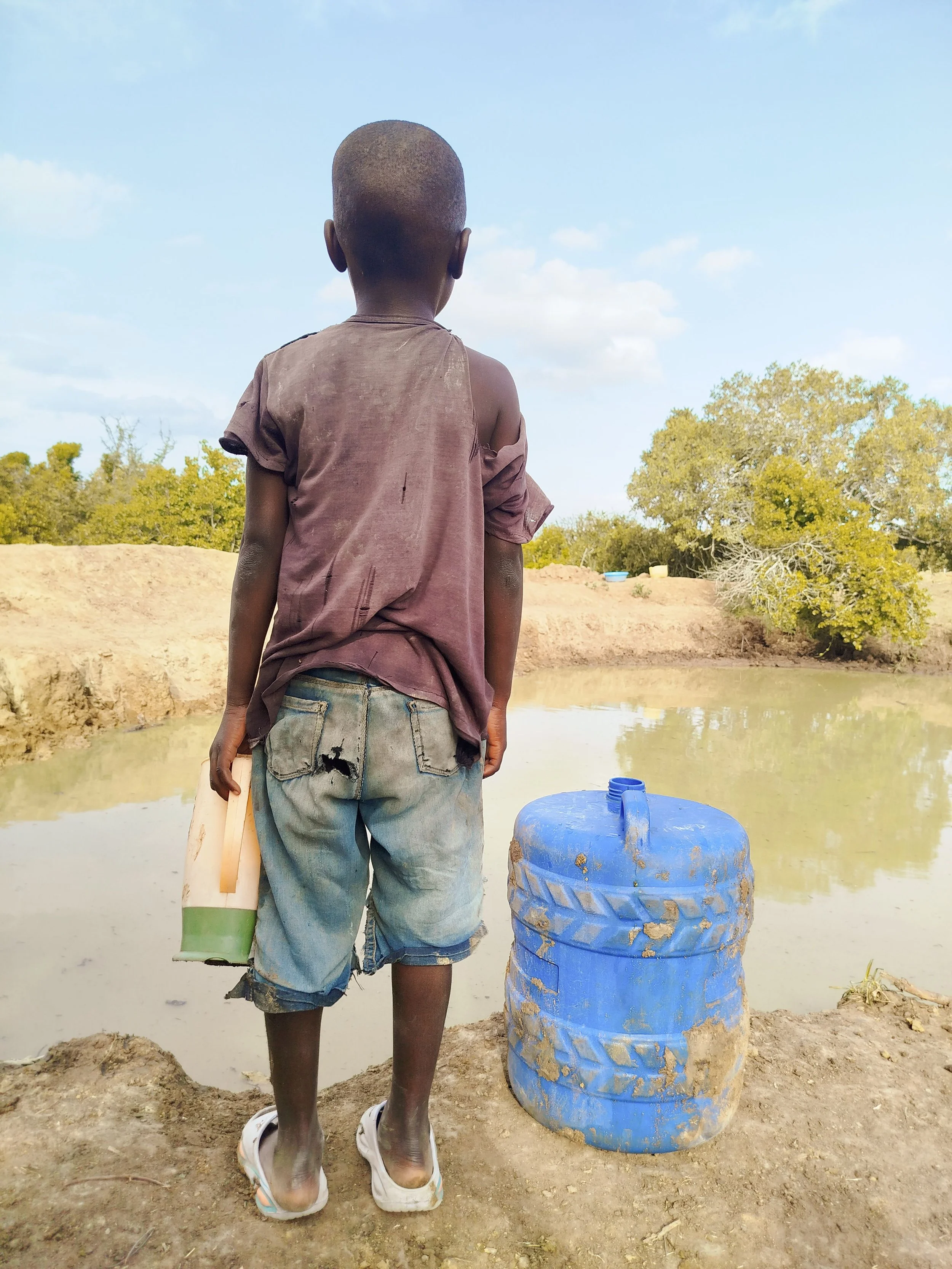
Producing animal-based foods requires dramatically more water than plant-based alternatives, largely due to the water needed to grow feed crops, hydrate livestock, and process meat and dairy. A single kilogram of beef takes many times more water than the same weight of legumes, grains, or vegetables.
Through this project, we aim to:
Raise awareness of water scarcity as a food-systems issue, not only an industrial or climate one

Translate water-footprint data into relatable, everyday comparisons, like showers, loads of laundry, or a household's drinking water
Raising awareness through media
We create documentaries that inspire Ugandans to go plant-based. They bring together people who have moved away from eating animal products, alongside nutritionists and other experts, and they show what factory farming does to the environment and what can be done to reduce that damage.
Our vegan short film released in 2025:
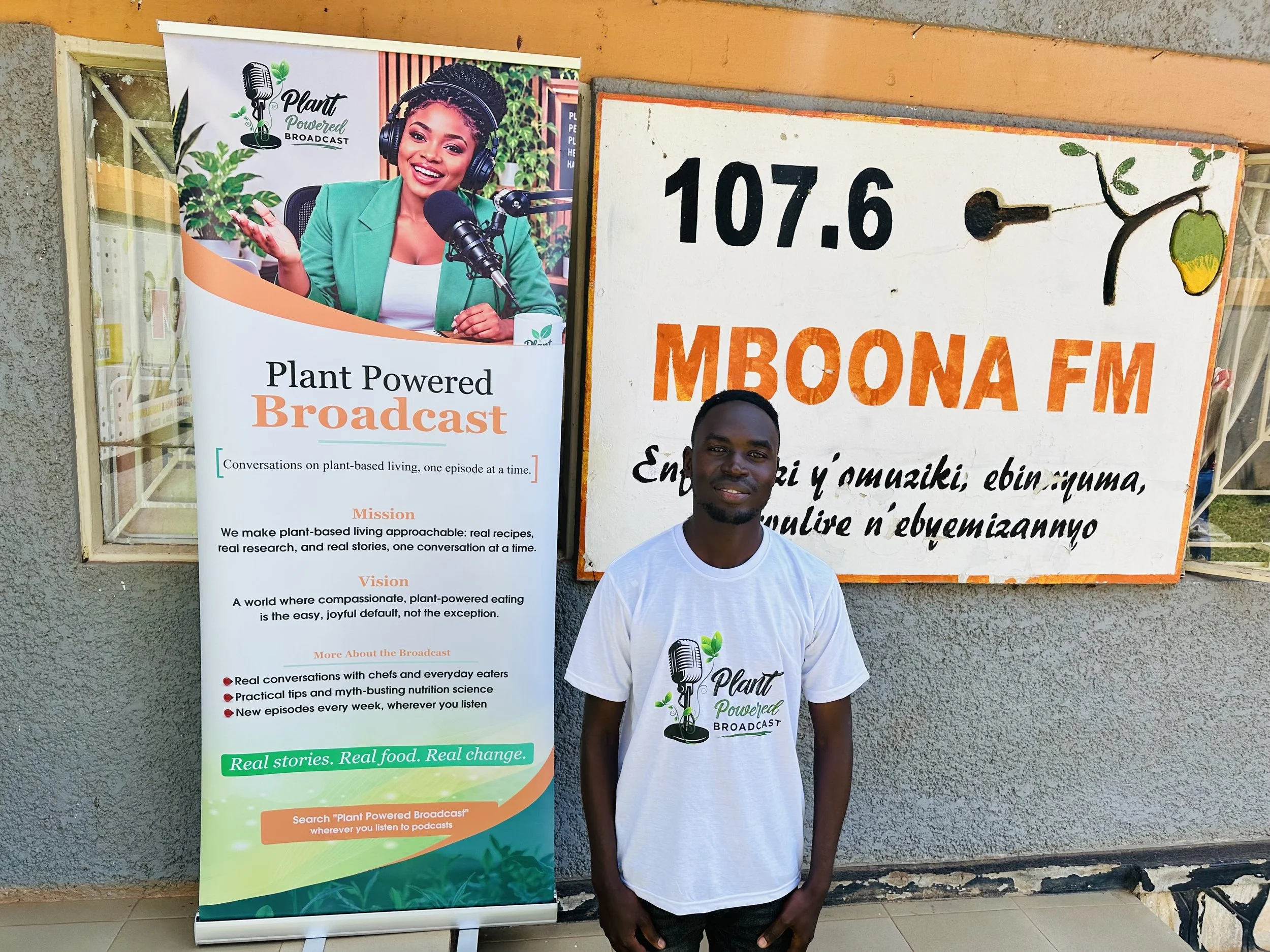
We also run Plant-Powered Broadcasts on local radio stations. Each episode is a one-on-one conversation with a chef, a doctor, a nutritionist, or another expert in a relevant field, and the point is to talk through the benefits of a plant-based diet and answer the myths people hold about veganism.
The media lets us speak to the Ugandans we haven’t reached directly. We're beginning with radio and plan to move into television talk shows later.

GUIDANCE
Plant-Based Nutrition Challenge
This program expands on our educational work by providing nutrition education and making sure that Ugandans can transition to, or deepen their commitment to, a plant-based diet while doing it knowledgeably. Not knowing how to approach a plant-based diet while ensuring you get all of the nutrients can seem fine at the start, but backfire in the long run.
Our Plant-Based Nutrition Challenge is a structured, time-bound program, typically 7, 14, or 30 days, and it focuses on making sure participants get adequate protein, iron, B12, omega-3s, and calcium from whole plant sources.
We offer:

Meal plans, recipes, and shopping lists that simplify the transition
Daily guidance

Check-ins on energy, digestion, and mood, sometimes paired with weight and blood pressure tracking for those who want it
Tracking and motivation
Short lessons on macronutrients and micronutrients, and on common myths like "where do you get your protein?"
Nutrition education

A group chat, forum, or social hashtag where participants share progress, swap recipes, and troubleshoot cravings
Community support

Q&A sessions with a dietitian, nutritionist, or health coach to address specific concerns
Expert access
The program addresses the goals people usually arrive with, like improved energy, weight management, better digestion, and lower cholesterol, while also reducing their environmental footprint and sparing animal lives.

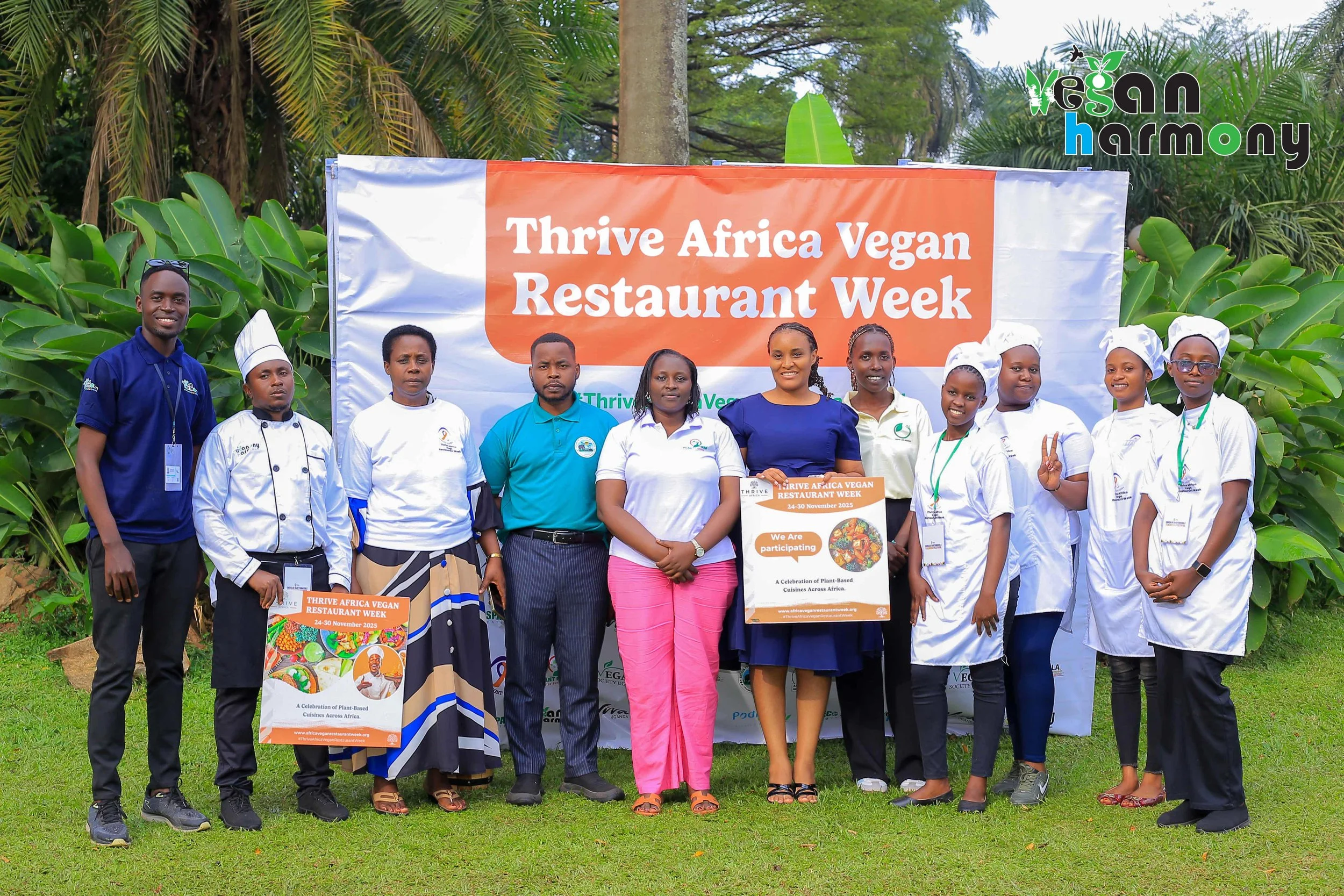
We also participate in the Thrive Africa Vegan Restaurant Week – an Africa-wide campaign by Thrive Philanthropy and Thrive Africa that increases the accessibility of plant-based options and raises public awareness of factory farming.
Vegan Harmony takes part in coordinating a campaign across Uganda that supports restaurants and other establishments in adopting plant-based menus, increases accessibility to nutritious, sustainable food choices, and offers chef training alongside large-scale public awareness.
Thrive Africa Vegan Restaurant Week
PRACTICAL SUPPORT
Empowering women to run plant-based businesses
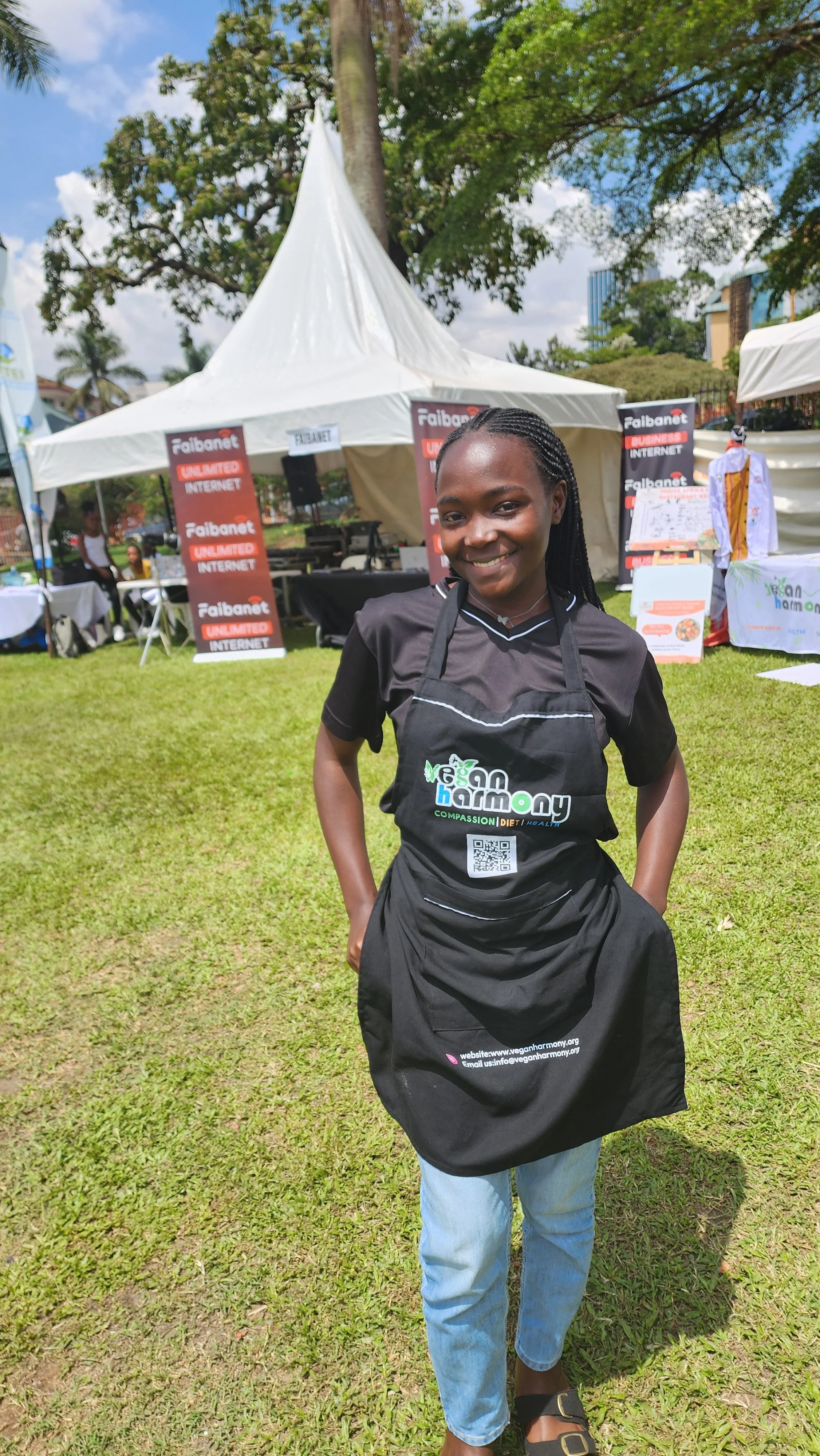
We work with women across Uganda because it means creating change that reaches the food they grow, cook, sell, and eat in their own families, along with the knowledge they pass down to family members.
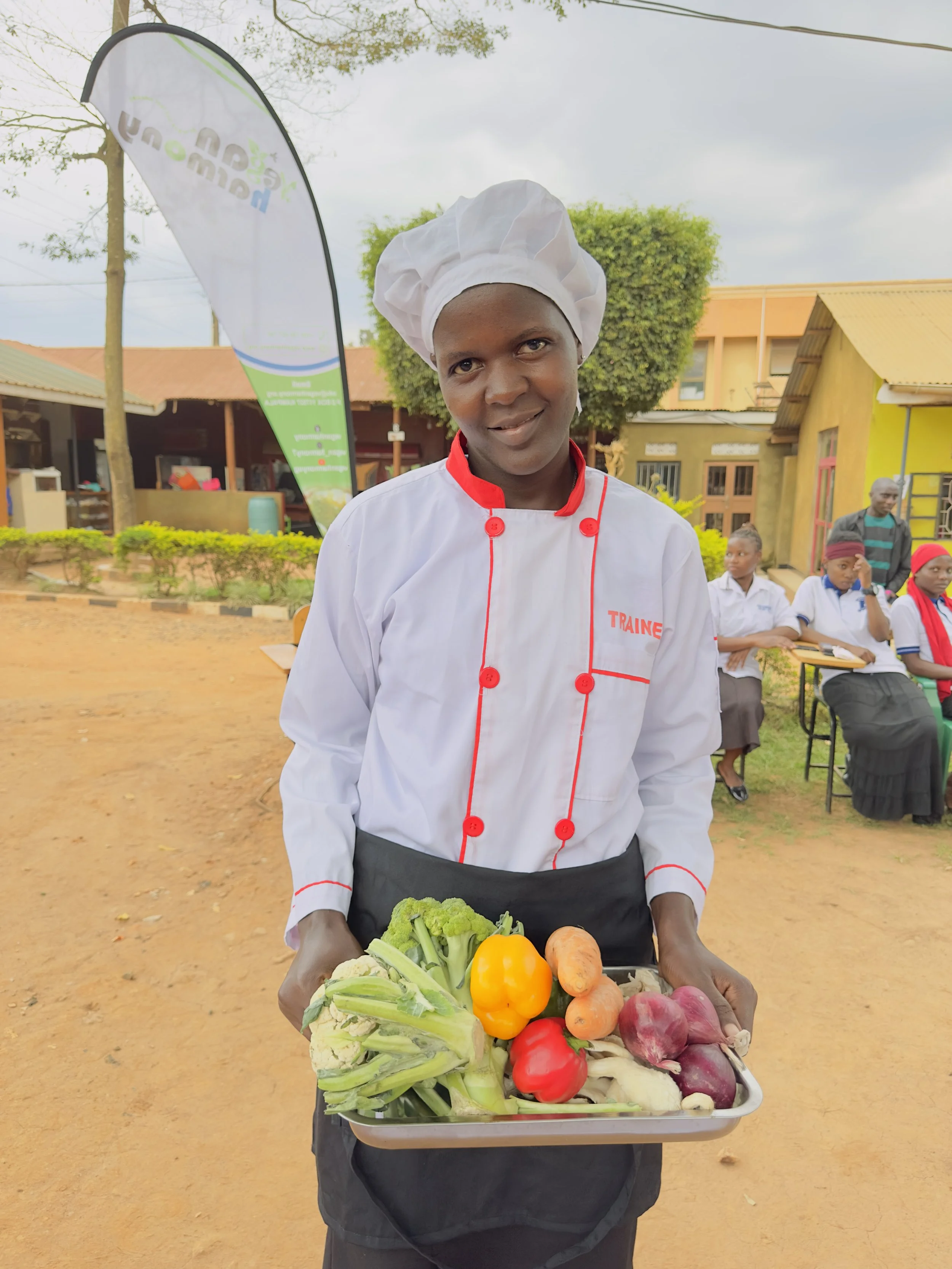
We train women in plant-based cooking, food preservation, and small-batch production, then support them in launching micro-enterprises, from prepared food services and snack brands to market stalls and catering collectives.

We teach women skills
Through women-led kitchen gardens and seedling hubs, participants grow their own food security while cultivating a sellable surplus, strengthening both nutrition and income at the household level.
We help them develop community gardens
Peer-led workshops address plant-based nutrition through the specific lens of women's health, covering iron, B12, and nutrition through pregnancy and beyond.
We educate them on health and nutrition
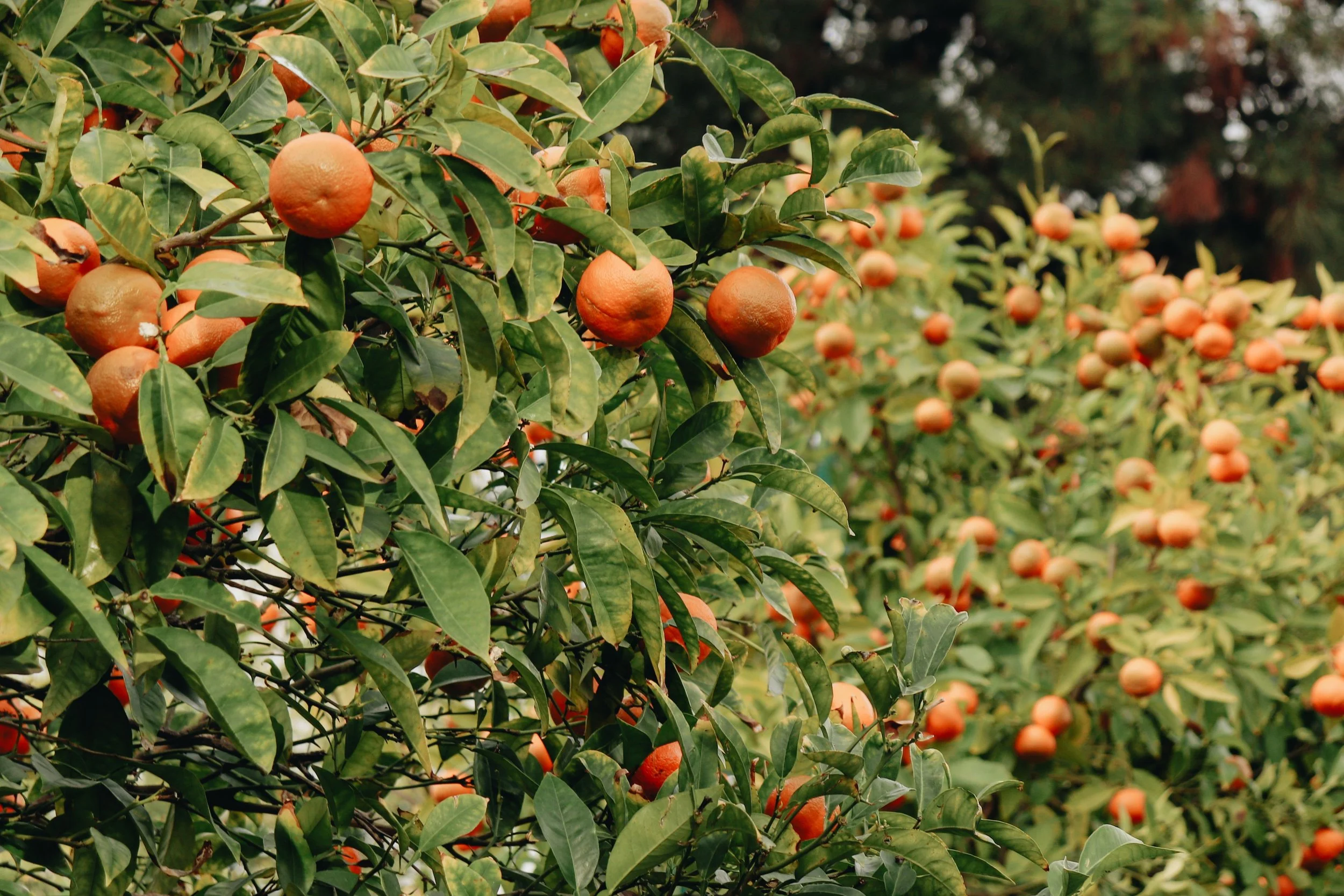
Providing seedlings
We support Ugandan farmers and communities by providing them with seeds to boost food production. We also plant local tree seedlings, such as mangoes or oranges, as well as other edible plants.
Setting up community gardens
We establish gardens where people come and learn about planting food without the use of chemicals. We also organize events and campaigns that educate the public and schools about organic farming practices that don't harm animals.

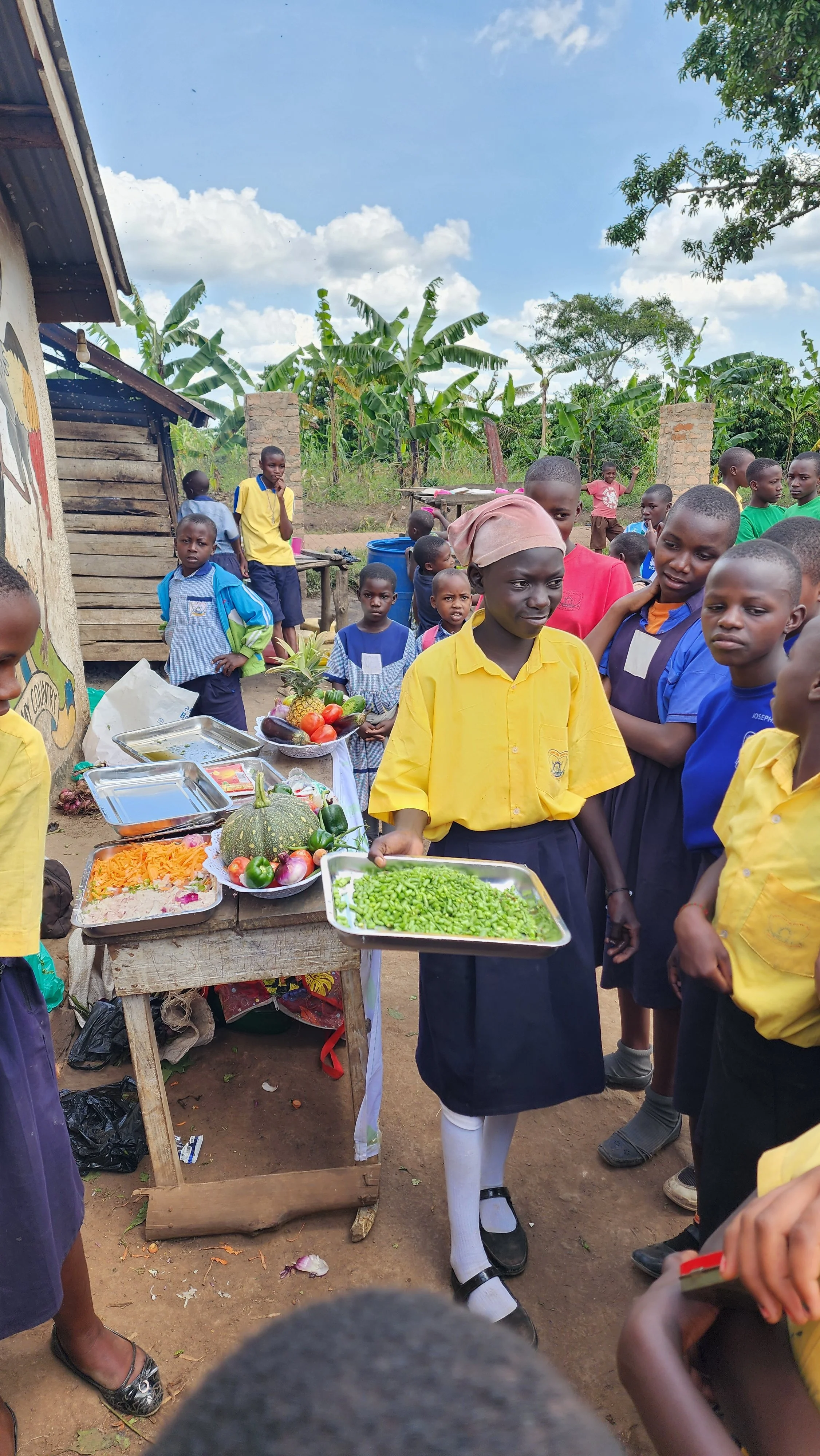
Plant-based living in Uganda is often hindered by missing information and households lacking the knowledge or the skills to sustain the change.
Your donation removes those barriers across Kampala and Zigoti. You ensure Ugandans learn the reasons behind the change to plant-based living, gain the knowledge to make their diet nutritious and healthy, and have the seeds, gardens, and training to sustain their lives from it.